
Describe the lot
List building wire, feeder cable or complete cable assemblies separately. Give conductor metal and marked size, reel or carton counts, usable footage when known, condition and the actual inventory location.
Have unused reels, partial reels or released job leftovers? Send the wire type, quantity, condition and location for a commercial buying review. Copper and aluminum inventory are assessed for potential reuse or recovery. Offers and logistics depend on the lot and written approval.
List building wire, feeder cable or complete cable assemblies separately. Give conductor metal and marked size, reel or carton counts, usable footage when known, condition and the actual inventory location.
Keep usable continuous lengths, reel tags and package labels together. Do not strip or cut identifiable inventory just to prepare a request. Separate damaged, short or mixed recovery material; the buying desk will review the evidence without a promised price.
Submit the inventory details and email the photos. The buying desk reviews the material and may request clarification. If the lot is suitable, review the written offer and then agree release, payment and logistics terms; a submission alone does not establish a purchase.
Prepare the buyer-review record · Separate copper reels from recovery material
We review identifiable commercial lots, including full reels, partial reels and usable lengths. Start with the material, quantity and condition; photos, labels and release details help us evaluate the lot.
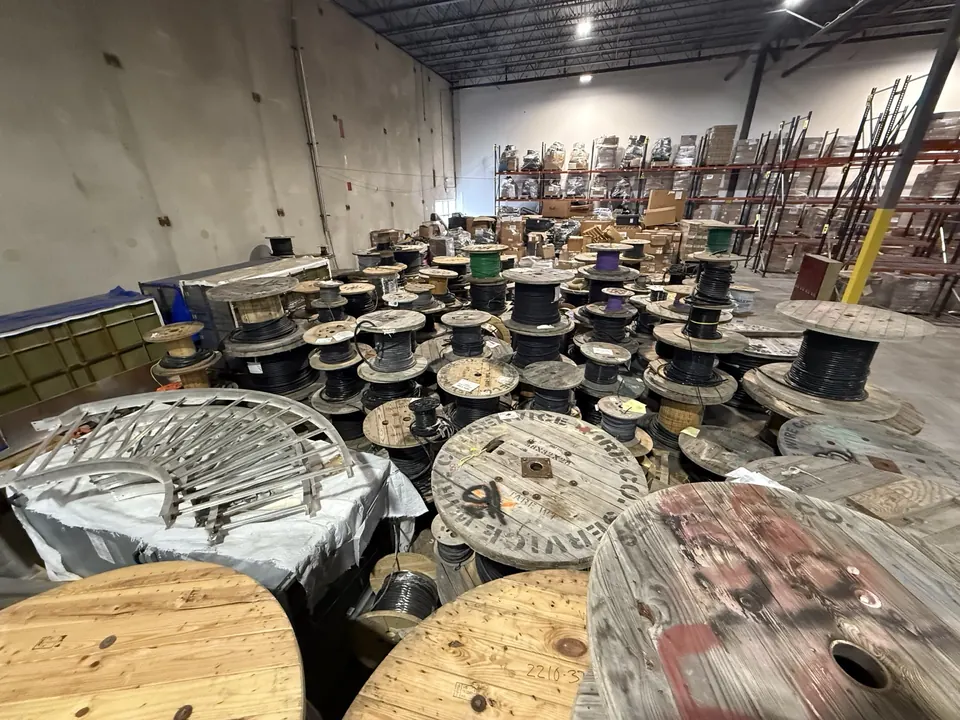
Electrical Wire Buyers focuses on building and feeder wire offered in quantities that can be identified, counted, released, and accessed as one commercial transaction. The first review should explain what is present, how much exists, who controls it, and where it can be inspected or loaded.
THHN or THWN building wire, MC cable, feeder conductor, grounding wire, and related commercial cable grouped by construction
Reels, cartons, coils, and pallets counted by gauge, conductor metal, package, and condition
Distributor and contractor inventory with readable labels, consistent SKU groups, and meaningful aggregate quantity
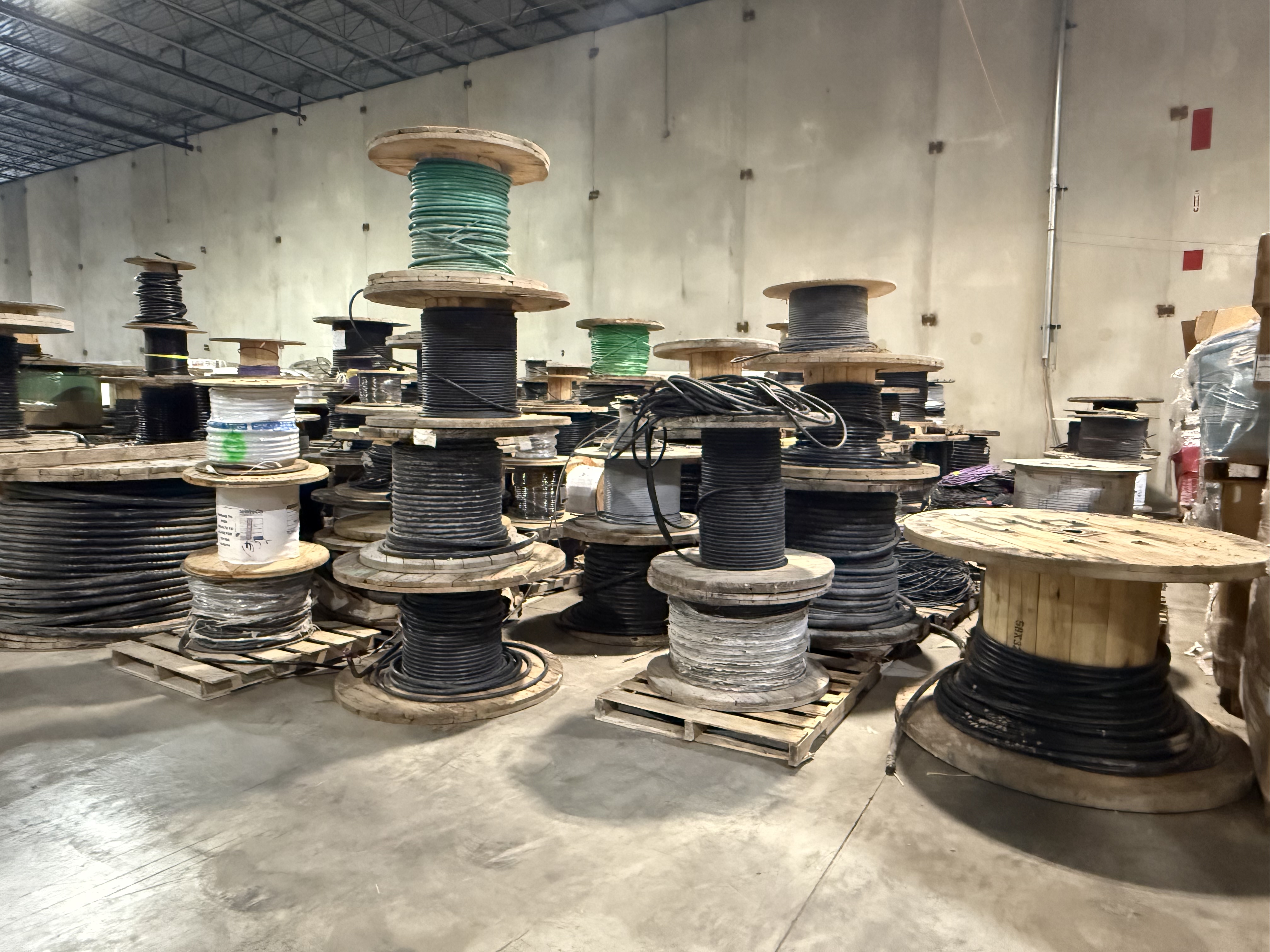
A useful submission shows meaningful aggregate quantity, conductor and gauge, reel or package counts, condition, ownership, release status, physical location, access, and representative photos. Review does not guarantee a purchase or logistics arrangement.
Start with THHN or THWN, MC cable, feeder wire, grounding conductor, tray cable, control cable, and other clearly identified building or distribution cable. Keep unlike constructions and conditions in separate rows.
The intake focuses on meaningful commercial-building and feeder wire quantities originating from contractors, commercial construction sources, and distributors; documentation should reflect the lot composition rather than a brief summary. An initial review must establish clear identity, measured or estimated quantity, physical condition, ownership and release status, exact storage location, and site access facts without presuming that further handling or terms will follow.
Assessment centers on how reliably the documented items can be identified and reconciled to a commercial quantity based on the provided markings, counts, and photographs. Condition, release evidence, precise storage position, and the clarity of quantity methods together determine whether the submitted lot matches national intake criteria and how the material groups should be treated in that review.
Supply the physical site specifics, precise storage position, dock or ground access characteristics, and available rated handling equipment along with reel or pallet weights when known so handling risk can be assessed. Any subsequent movement or operational plan will require confirmed material facts combined with mutually agreed written arrangements before handling decisions are made.
A usable submission shows each material group, the aggregate quantity basis, visible condition, and any ownership or release documentation; include photos that link labels and conductor ends to the counted handling units so identification supports a national intake review without implying a transaction.
Prioritize THHN or THWN, MC cable, feeder conductors, and grounding wire in the homepage summary; present unlike constructions, different packaging, and damaged or short-length groups as separate inventory lines to preserve clarity.
Commercial reusable copper, recovery-only copper, general scrap wire, technical identification, project release, and location preparation require different evidence.
Prepare insulated or bare copper reels, coils, cartons, and reusable lengths with quantity and condition records.
Review commercial copper lots →Separate recovery-only conductor, attached metals, contamination, and gross-versus-conductor weights.
Plan copper recovery disposition →Build a traceable inventory, ownership, release, photo, and loading record before buyer review.
Prepare the commercial lot →Read conductor form, jacket markings, size, stranding, package, quantity, and condition.
Use the copper identification guide →Keep reusable continuous lengths separate from short, tangled, contaminated, or mixed material.
Prepare recovery streams →Send the inventory, photos, location, access, and loading details through the secure quote form.
Go to the quote form →Large feeder cable in copper or aluminum for commercial and industrial distribution.
Open the inventory guide →Large feeder wire for heavy industrial and commercial applications, including THHN and XHHW insulation types.
Open the inventory guide →A technical seller-identification guide for bare and insulated copper conductor, markings, construction, packaging, quantity evidence, condition, and reusable-versus-recovery separation.
Open the inventory guide →Multi-conductor control and instrumentation cable identified by conductor count, gauge, shielding, voltage, jacket, approvals, and industrial use.
Open the inventory guide →Metal-clad cable from commercial construction, project overstock, and warehouse inventory.
Open the inventory guide →Building wire in copper or aluminum, across common gauges and MCM sizes.
Open the inventory guide →Industrial tray cable from plants, facilities, utilities, and canceled projects.
Open the inventory guide →Cross-linked polyethylene insulated copper and aluminum building wire.
Open the inventory guide →Prepare each commercial lot around its material identity, aggregate quantity, ownership, release status, condition, storage location, and access rather than a generic source label.
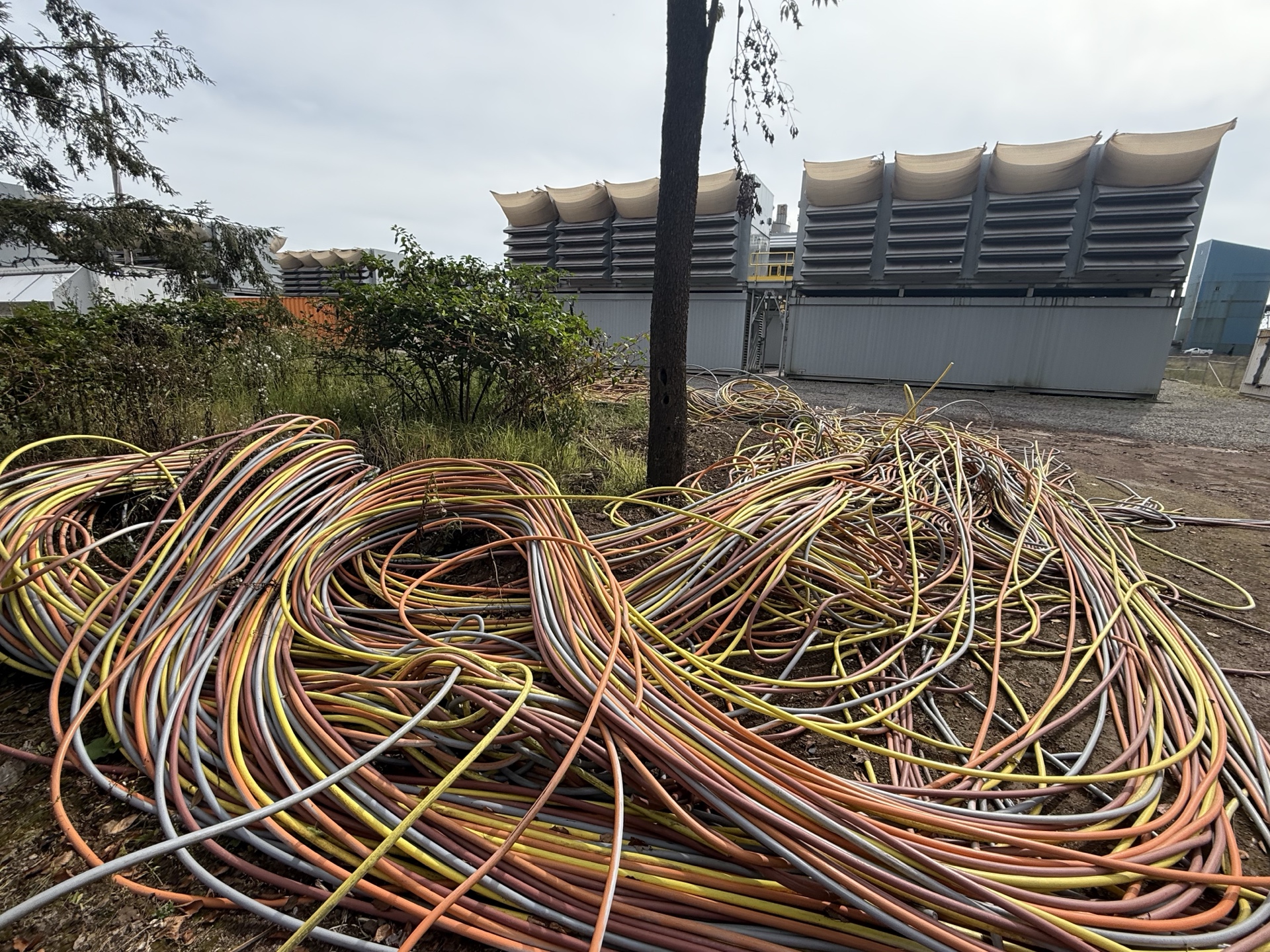
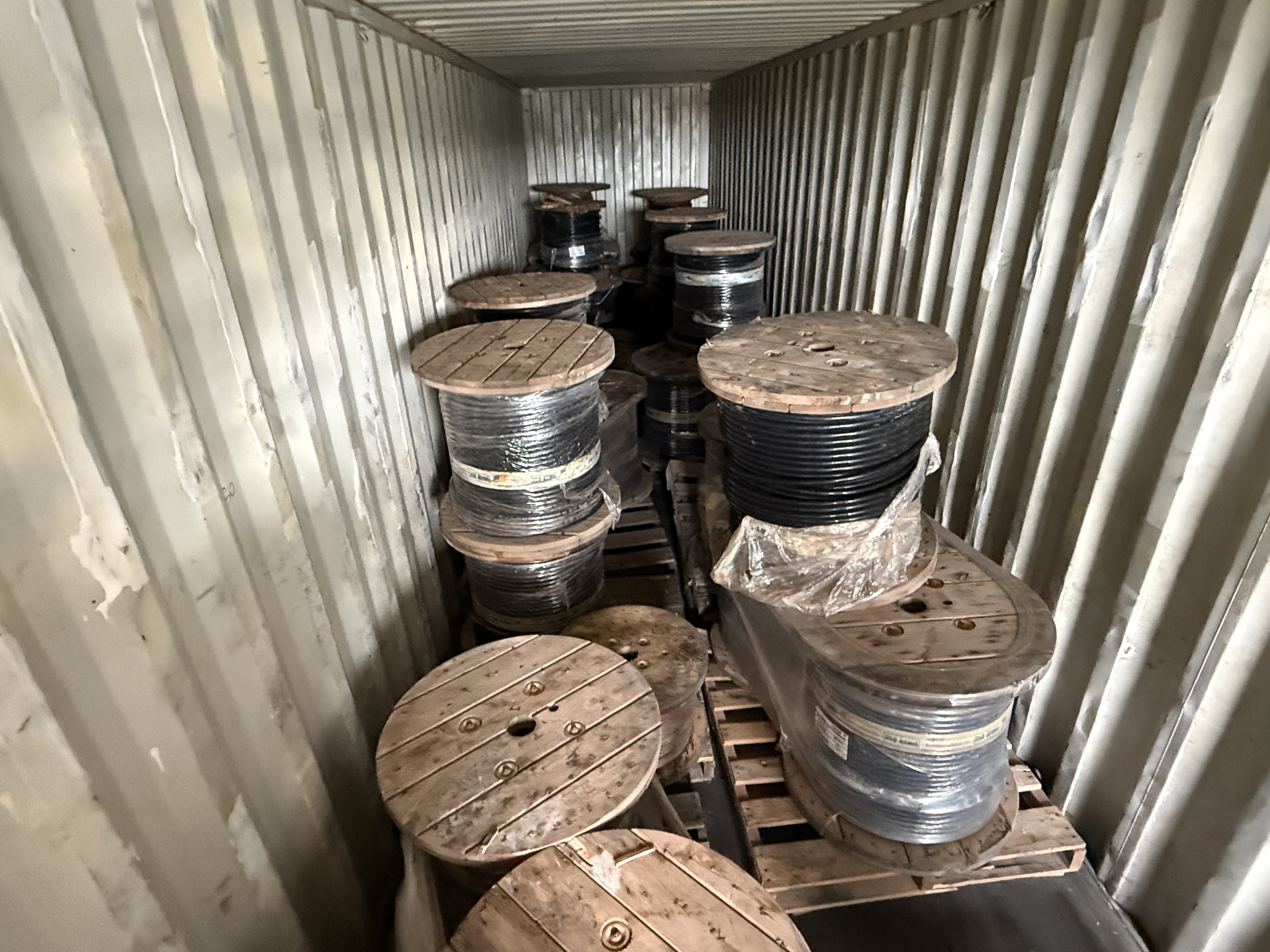
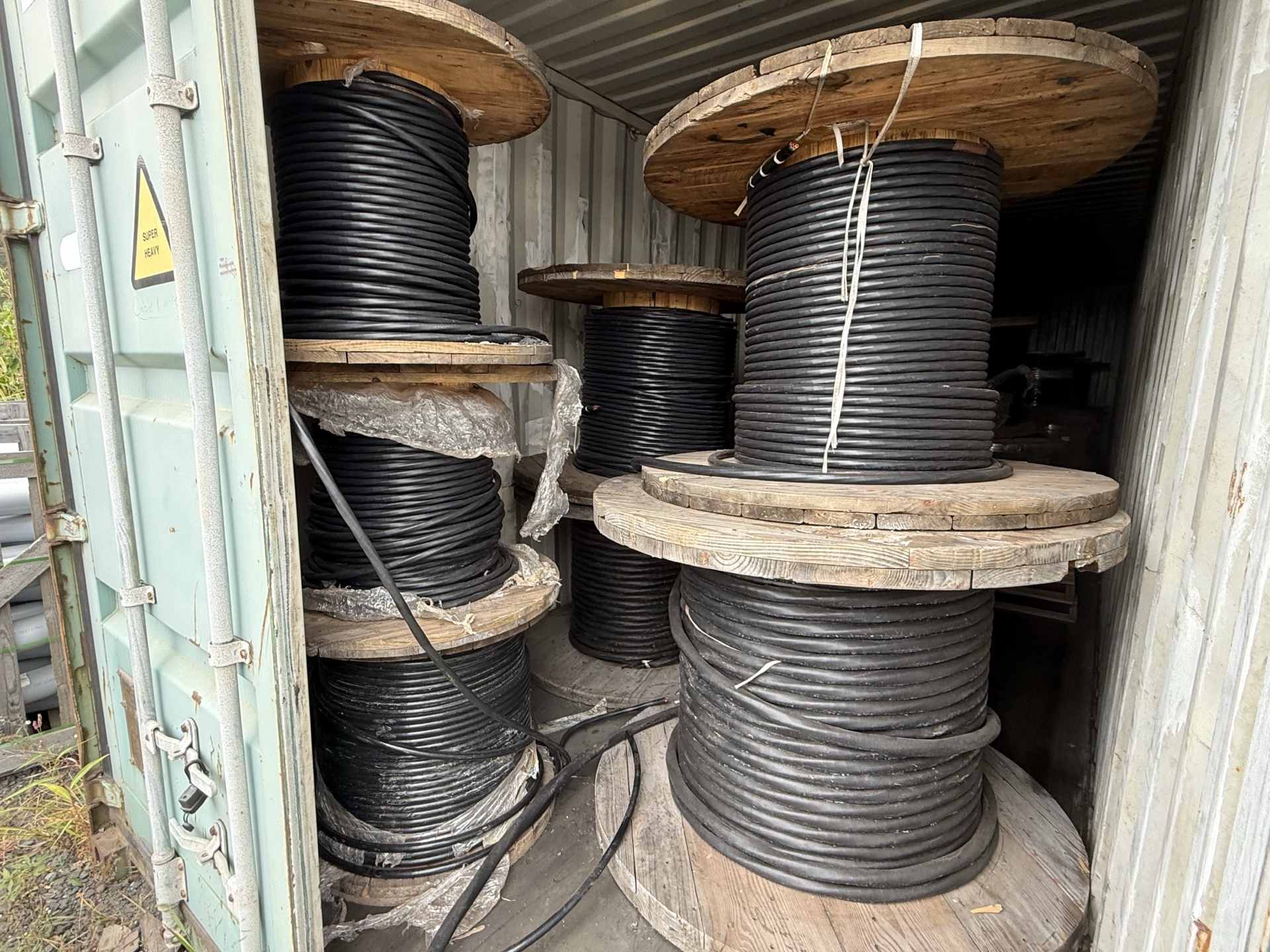
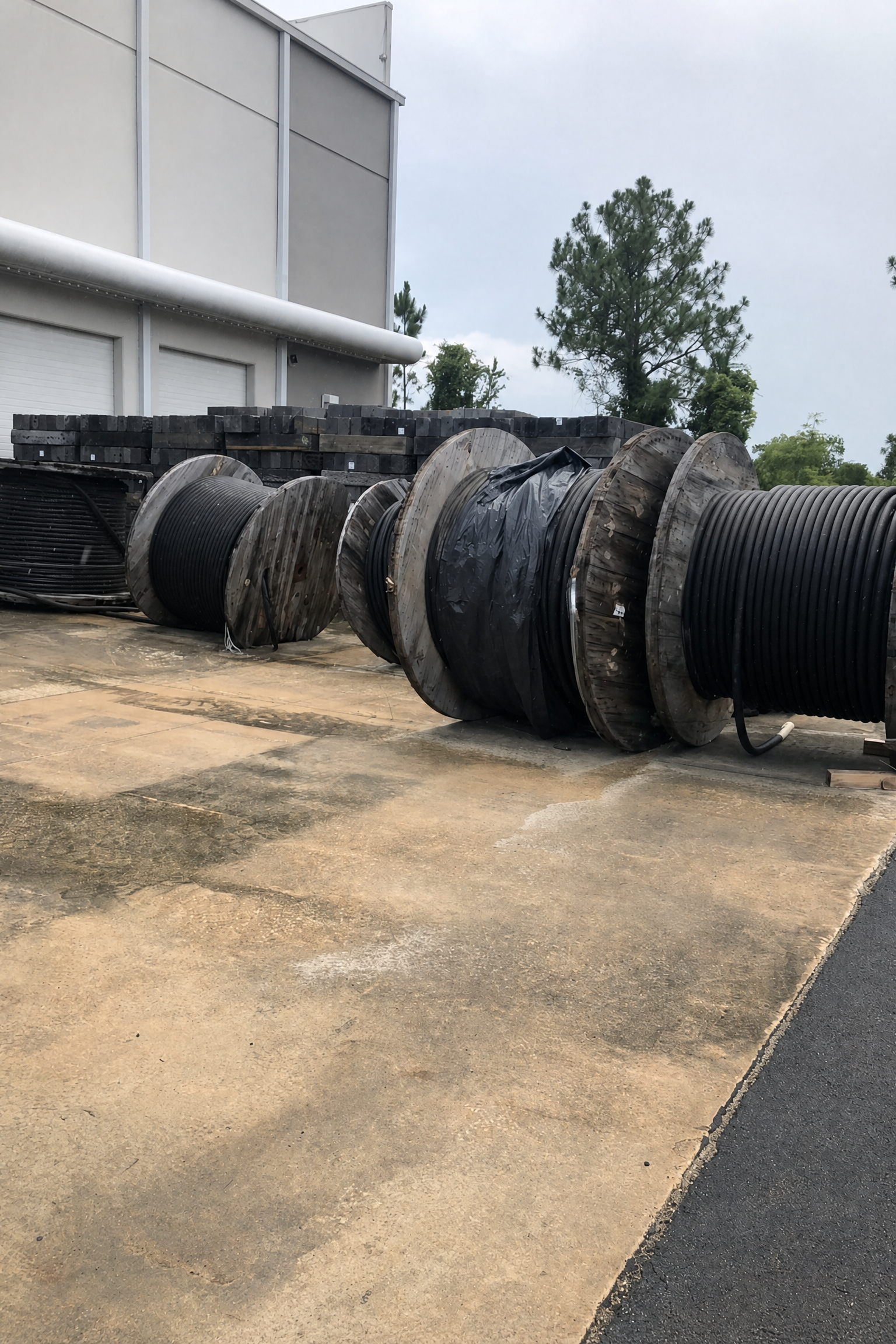
Share the wire type, approximate quantity, condition and city/state. If you are unsure of the type, call or use the form’s not-sure options.
Keep wide inventory photos, reel labels, jacket markings and conductor details ready for the buying desk.
We assess material identity, quantity, condition and release status. Provide loading and site-access details when requested.
Purchase, price, payment, timing, pickup, freight, loading, and removal depend on approval.
Canceled orders, project overruns, partial reels, and unused jobsite wire.
Open the seller guide →Building wire, MC cable, feeder cable, and job-completion overstock.
Open the seller guide →Released project inventory, unopened and partial reels, mixed SKUs, and documented overstock ready for commercial review.
Open the seller guide →Open the state and city directory →
Review statewide preparation guidance and useful wire and project categories:
These links lead to market-specific inventory and logistics checklists rather than repeating a sitewide city list.
Call the buying desk or send your wire details. Any offer, purchase, payment or pickup arrangement requires agreed written terms.